Fall Car Care for European Cars: Pre-Winter Prep for Englewood Cliffs Drivers
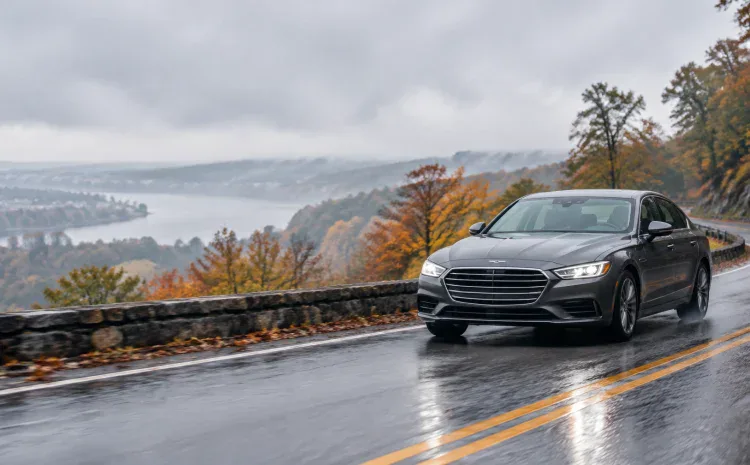
September is the ideal time to prepare your European vehicle for the colder months ahead. In Englewood Cliffs and throughout Bergen County, fall brings cooler mornings, heavier rain, shorter days, and changing road conditions. Winter will add freezing temperatures, snow, ice, road salt, and potholes to the mix.
BMW, Mercedes-Benz, Audi, and Porsche models are engineered with advanced technology and precise components. That means they reward careful maintenance, but they may also respond poorly when a weak battery, worn tire, incorrect fluid, or electrical fault is ignored.
A thorough fall inspection from an experienced European car specialist in Bergen County can help you drive with greater confidence, protect your investment, and avoid preventable repairs during the busiest part of the year.
Your Fall European Car Care Checklist
Before temperatures regularly drop below the mid-40s, have these areas inspected:
- Tire tread, pressure, age, and seasonal suitability
- Wheel alignment, balancing, and suspension condition
- Battery health, charging performance, and terminal connections
- Wiper blades, washer fluid, exterior lights, and windshield condition
- Heater, blower motor, and front and rear defrosters
- Coolant level, freeze protection, hoses, and visible leaks
- Engine oil, brake fluid, transmission fluid, and other manufacturer-specified fluids
- Brake pads, rotors, brake lines, and ABS operation
- Undercarriage, wheel wells, exhaust, and corrosion-prone components
- AWD or traction-control system operation, where applicable
1. Check Tires for Cold-Weather Grip
Your tires are the only part of your car in contact with the road. Their condition has a direct effect on braking, cornering, and control in rain, slush, and snow.
Many European vehicles leave the factory with summer or high-performance tires. These tires can offer excellent handling in warm weather, but their rubber compounds become less flexible as temperatures fall. If you are still using summer tires, ask whether a dedicated winter set or winter-capable all-season tires would better suit your driving needs.
During a fall inspection, your technician should check:
- Tread depth across the full width of each tire
- Uneven wear on the inner or outer edges
- Cracks, bulges, punctures, and tire age
- Correct cold tire pressure
- Wheel balance and alignment
- Compatibility between tire size, speed rating, and your vehicle
For improved snow performance, many experts recommend replacing tires before they reach the legal minimum. A tire with approximately 4/32 inch of tread may offer more useful winter traction than one nearing 2/32 inch.
Cold weather also lowers tire pressure. A drop of about 1 PSI for every 10-degree temperature change is a useful rule of thumb, although your vehicle’s door-jamb label and owner’s manual should always be the final reference. All-wheel drive helps your vehicle get moving, but it cannot overcome worn or improperly inflated tires when you need to stop or turn.
Cliffs Edge Automotive provides tire inspections, installation, balancing, rotation, and alignment services for drivers in Englewood Cliffs and nearby Bergen County communities.
2. Test the Battery Before a Cold Morning Finds Its Weakness
Cold temperatures make the engine harder to start and reduce the amount of power a battery can deliver. European vehicles may place additional demands on the electrical system through heated seats, heated steering wheels, advanced driver-assistance systems, start-stop technology, and multiple control modules.
A battery that starts the car reliably in September may struggle in January. If your vehicle has needed a jump-start, cranks slowly, displays intermittent warning lights, or has a battery more than three to five years old, schedule a professional test.
A proper fall battery inspection should include:
- Battery voltage and reserve capacity
- Load-test results
- Alternator output and charging-system performance
- Terminal tightness and corrosion
- Battery hold-down condition
- Visible damage or swelling
Some European vehicles also require battery adaptation or registration after replacement. This allows the charging system to recognize the new battery and manage it correctly. Proper testing and installation can help prevent hard starts, warning lights, and unnecessary electrical troubleshooting.

3. Improve Visibility with Wipers, Defrosters, and Working Lights
Bergen County winter driving often means rain, road spray, salt residue, freezing fog, and early sunsets. Clear visibility is a safety requirement, not simply a comfort feature.
Replace wiper blades if they streak, chatter, skip across the glass, or leave cloudy sections behind. Winter-rated blades may help reduce ice buildup during snow and freezing rain. Check the washer reservoir as well, and replace warm-weather fluid with a freeze-resistant formula rated for the temperatures your vehicle may encounter.
Your technician should also confirm that:
- The front defroster clears the windshield effectively
- The rear defroster grid operates properly
- The blower works on every speed
- Air can be directed toward the windshield and side windows
- Low beams, high beams, brake lights, turn signals, and fog lights work correctly
- The cabin air filter is not excessively dirty
If the heater is weak, the windshield takes too long to clear, or you notice an unusual smell from the vents, have the system checked before winter commuting begins. Cliffs Edge Automotive offers heating and cooling system diagnostics and service in Englewood Cliffs.
4. Verify Coolant, Oil, and Other Fluids
Your engine’s coolant system has an important winter role. Proper coolant protects against freezing while helping the engine maintain a stable operating temperature and providing heat for the cabin.
A technician should check coolant level, condition, freeze protection, and signs of leakage. Many vehicles use a roughly 50/50 mixture of antifreeze and distilled water, but European brands often specify particular coolant formulations. Do not mix products simply because they appear to have the same color. The correct specification matters.
Also review:
- Engine oil level and manufacturer-approved viscosity
- Brake fluid level and moisture content
- Transmission fluid condition, where serviceable
- Differential or transfer-case fluid on applicable AWD models
- Power steering fluid, if your vehicle uses a hydraulic system
- Winter-rated windshield washer fluid
The right oil grade supports reliable cold starts, but your vehicle’s manufacturer specification should guide the choice. If you are due for an oil change, fall is a practical time to complete it before temperatures drop.
5. Inspect Brakes and Suspension for Wet, Icy Roads
Fall is also the right time to inspect the components that help your European car stop and remain stable. Wet roads, leaves, slush, hills, and reduced traction can expose weaknesses in worn brakes or suspension parts.
Have the pads, rotors, calipers, brake hoses, and parking brake checked. Pay attention to grinding, squealing, vibration, pulling, or a soft pedal. Surface rust can appear after moisture exposure, but deeper corrosion or uneven wear requires professional evaluation.
The suspension deserves attention as well. Worn control-arm bushings, shocks, struts, or ball joints may reduce tire contact with the road and create uneven tire wear. This is especially important on vehicles with low-profile tires and larger wheels, which can be more vulnerable to pothole damage.
If you need BMW repair in Englewood Cliffs, including a winter inspection, accurate diagnosis is important. A warning light, vibration, or handling change may involve more than one system. Cliffs Edge Automotive provides computer diagnostics to help identify the underlying cause rather than relying on guesswork.
6. Protect the Undercarriage from Bergen County Road Salt
Road salt helps keep winter roads passable, but it can accelerate corrosion on brake lines, exhaust components, suspension hardware, subframes, and fasteners. European vehicles may also have tightly packaged underbody components that are difficult to inspect without a lift.
Before winter, ask for an undercarriage inspection to identify existing rust, damaged shields, loose liners, or areas where moisture and debris collect. Once salting begins, periodic undercarriage washes can reduce salt buildup. A quality wash, wax, or paint sealant may also help protect exposed painted surfaces, especially around wheel arches, rocker panels, and lower doors.
Avoid using high-pressure water directly on damaged electrical connectors or seals. If you are unsure which areas need attention, a professional inspection can provide a safer maintenance plan.
Why European-Car Expertise Matters
BMW, Mercedes-Benz, Audi, and Porsche vehicles share many winter concerns with other cars, but their service requirements can be more specific. Battery systems, tire sizes, fluid specifications, electronic modules, AWD systems, and diagnostic procedures vary by model and year.
That is why choosing an experienced European car specialist in Bergen County can make fall preparation more precise. Whether you need an Audi specialist in Bergen County, dependable Mercedes service in Bergen County, or routine Porsche and BMW maintenance, the goal is the same: identify small concerns before they become expensive or inconvenient winter failures.
Cliffs Edge Automotive is a family-owned shop with more than 30 years of experience servicing European and domestic vehicles. Our team provides honest communication, advanced diagnostics, and personalized care for drivers in Englewood Cliffs, Fort Lee, Alpine, and surrounding areas.
Prepare Your European Vehicle Before Winter Arrives
A September inspection gives you time to address worn tires, a weak battery, poor visibility, fluid concerns, or corrosion before the first serious storm. Early service can protect your vehicle, reduce the chance of roadside trouble, and give you greater peace of mind on cold Bergen County commutes.
Schedule your fall inspection with Cliffs Edge Automotive or request an appointment online. We will help you prepare your BMW, Mercedes-Benz, Audi, Porsche, or other vehicle for a safer and more confident season ahead.